


Would you like a lease hire hi-fi system?
The separates hi-fi industry has a problem, and it isn’t sound quality. Today’s equipment has never been better. The problem is price.
Even entry-level components now cost considerably more than they did only five or ten years ago, while genuinely high-end systems have moved into territory that many enthusiasts simply cannot contemplate. Inflation is partly responsible, but it doesn’t tell the whole story. The economics of specialist manufacturing are equally significant.
Unlike consumer electronics giants, most high-end audio companies produce relatively small numbers of products. They don’t benefit from the economies of scale enjoyed by television, smartphone or computer manufacturers. Every amplifier, DAC or loudspeaker has to absorb a greater share of development costs, tooling, labour, distribution and marketing.
The result is predictable: excellent products that become increasingly unaffordable. Ironically, the industry has never been better at making equipment, yet it is pricing itself out of the reach of many music lovers.
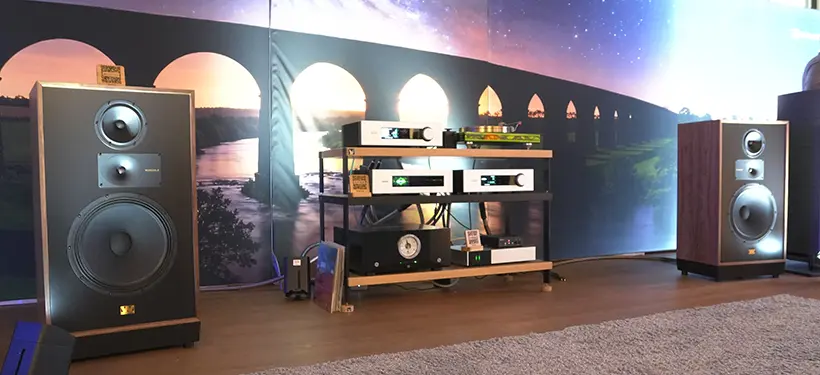
It wasn’t always this way. During hi-fi’s boom years in the 1950s, ’60s and ’70s, companies such as Quad, Wharfedale, JBL and others were producing equipment in far greater numbers. Hi-fi was never cheap, but it was attainable for ordinary enthusiasts willing to save for it. Today the market is smaller, production runs are lower, and prices inevitably climb higher.
This creates a vicious circle. Higher prices reduce the pool of potential buyers, lower sales volumes force manufacturers to charge even more, and the cycle continues. So how do you break it? Perhaps the industry should borrow a solution from somewhere else.
Learn from the automotive industry
Cars are vastly more expensive than hi-fi systems and relatively few people buy them outright. Leasing and personal contract purchase (PCP) schemes have transformed the market. Buyers pay a manageable monthly amount over three to five years, then either purchase the vehicle, return it or replace it with a new model. The finance makes expensive products accessible without requiring buyers to commit tens of thousands of pounds in one transaction.
Could hi-fi work in much the same way?
Imagine acquiring a £50,000 system through a manufacturer-backed lease hire scheme. Instead of finding the entire purchase price upfront, you would pay a monthly fee, enjoy the system for four or five years, then choose to buy it, exchange it for newer equipment or simply return it. For many enthusiasts, this would be a far more attractive proposition than today’s upgrade path.
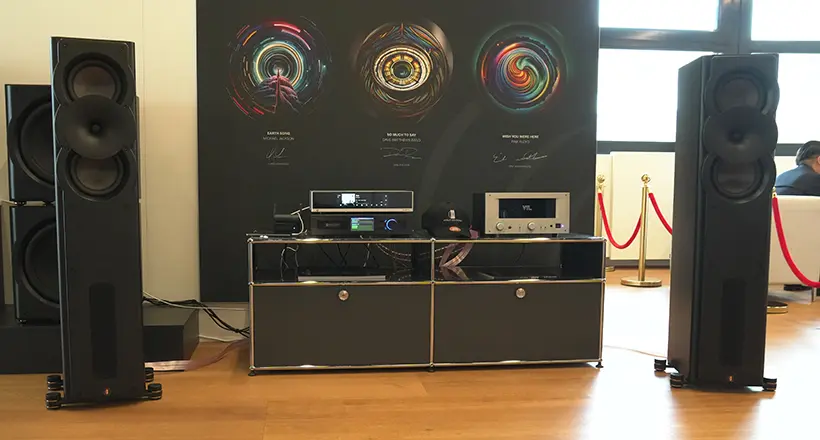
At present, most audiophiles buy equipment, live with it for several years and then trade it in, often losing a substantial proportion of its value. Dealers and manufacturers already understand the second-hand market because it exists anyway. A leasing model would simply formalise that process.
Returned equipment could be professionally serviced, certified and sold as approved used products. That creates a healthy second-hand ecosystem while allowing manufacturers to recover residual value rather than watching it disappear into private sales.
The manufacturers are bigger than you think
This isn’t as unrealistic as it might sound. The hi-fi industry may appear fragmented, but much of it is now owned by multinational groups with the financial resources to support this type of business model.
Samsung owns Harman, which includes JBL, Mark Levinson, Arcam and Revel. Masimo owns Denon, Marantz, Bowers & Wilkins, Polk and Classé. Bose owns McIntosh, Sonus faber and Sumiko. International Audio Group owns Audiolab, Wharfedale, Mission, Quad, Castle and Luxman.
These companies already possess the scale, infrastructure and financial backing to offer leasing programmes if they chose to. Many also own complementary brands across every product category, allowing complete systems to be assembled from within a single corporate portfolio while still appealing to different customer tastes. Independent manufacturers could also participate through specialist finance partners in much the same way as independent car dealerships do today.
More than just easier payments
The real benefit isn’t simply making expensive systems affordable. A leasing model could make the entire industry healthier.
It would attract younger buyers who cannot justify spending £20,000 or £30,000 in one go but could comfortably afford a monthly payment. It would encourage existing customers to upgrade more frequently rather than hanging onto ageing equipment because replacing it involves such a large capital outlay. Manufacturers would benefit from recurring revenue instead of relying solely on occasional purchases, while dealers would maintain ongoing relationships with customers rather than seeing them once every decade.
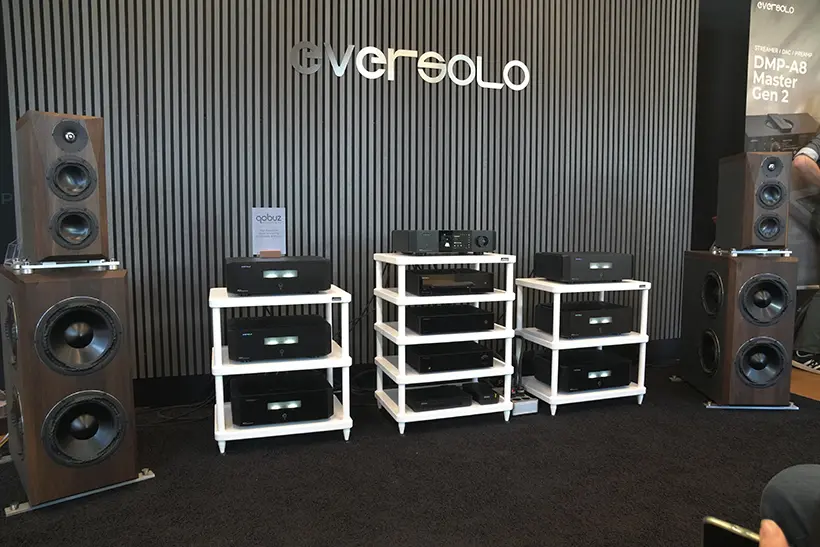
Certified pre-owned equipment would also become more plentiful and more trustworthy, bringing new enthusiasts into the hobby at lower price points. In other words, everyone wins.
The obvious objections
Of course, this wouldn’t be without challenges. Hi-fi equipment doesn’t depreciate in exactly the same way as cars. Residual values would have to be carefully calculated, products would need to be durable enough to withstand multiple ownership cycles, and manufacturers would assume greater financial risk by retaining ownership of their equipment.
There are also practical questions about servicing, insurance, accidental damage and the administration of returned products.
But none of these problems is unique. The automotive industry solved them decades ago, and other sectors—from cameras to musical instruments and professional photography equipment—already operate successful subscription or leasing models.
The finance industry understands how to value assets. It already knows how to manage residual value risk. The real obstacle may simply be that the hi-fi industry has never seriously considered doing it. As the market becomes increasingly expensive and increasingly specialised, perhaps it should.
If specialist audio wants to attract a new generation of enthusiasts rather than relying on an ageing customer base, it needs to reduce the barrier to entry. Lower prices are difficult when manufacturing costs continue to rise, but lowering the upfront cost through finance may be entirely achievable.
Maybe there’s a compelling reason why this hasn’t happened already. If so, I’d genuinely like to hear it. But if there isn’t, perhaps lease-hire hi-fi isn’t such a crazy idea after all.
Jason Kennedy